



How we can help you defeat a DUI
Right now, you might be asking "What makes you better?" and "What makes you different? but most importantly, you're anxiously wondering...
"What are you going to do for me during my day in Court that is going to fix this?"
Our simple answer? Vigorously advocate for you.
What is a DUI/DWI? In New Jersey, a person or individual with a blood alcohol concentration (BAC) of .08% or greater who operates a motor vehicle is considered to be driving under the influence (DUI or DWI). Anyone who refuses a breath test (refusal 39:4-50.2 or 39:4-51) may be found guilty of “refusal.” In New Jersey, there are penalties that are separate from any conviction of the DUI offense.
 Every New Jersey DUI attorney out there can copy, paste and regurgitate the information mentioned above over and over. How can you ensure you're going to get a better outcome with us? Attorney guidelines prohibit us from "guaranteeing" anything, but our results speak for themselves. You've already made a smart decision, and here's why:
Our lawyers have worked through hundreds and hundreds of DUI/DWI cases ranging from first offenses, to DUI death-by-auto or "vehicular homicide," the equivalent of murder by vehicle, with overwhelmingly successful results in court.
We avidly promote upholding our clients' Constitutional rights. Our attorneys will not leave you disappointed, confused, or concerned.
We work with clients throughout Hunterdon County, Somerset County, and beyond, including areas such as Branchburg, Readington, Clinton Township, Bridgewater, Flemington, Raritan and Somerville.
Consulting a DUI Attorney:
What to Avoid
You may have read about New Jersey DUI lawyers who claim to be experts simply because they were mentioned in a court case at the state level. However, don't be sold on this: The client had to lose in court first, suffering tremendous financial loss at the expense of his or her attorneys' lengthy appeal. Our goal is to avoid reaching an appeal in the first place, and if we do, our reason is compelling, multi-faceted and extremely well-grounded.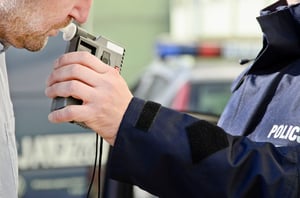
Second, you may have heard of attorneys who claim to be more experienced because they have "tested" or "worked with" certain Breathalyzer and Alco-Test machines. This is similar to arguing that because you've cut up an apple, you're an apple expert. Our attorneys have also seen these machines and have attended lectures and seminars regarding them. Do not be fooled by lawyers who use this "experience" to promote themselves. There are other attorneys who will lure you in with a low rate; then, at a critical point in your case, they will present you with additional fees. We advise you to avoid these types of law firms, which include both solo-practitioner law firms and even mid-size firms, at all costs. While they may be able to address a first-time DWI in a familiar court, they also may be drastically overwhelmed with a DWI with injuries, damage to property, or worse, especially if you have a criminal record or have had prior DWIs. In any event, we recommend you choose a law firm whose attorneys have routine experience with DUI's and DWI's, including those in which victims have sustained severe injuries or where properties have sustained major damage.
Why Simon Law Group, LLC?
Simon Law Group, LLC has represented hundreds of clients charged with DUI/DWI. Many of our clients had just one or two drinks with dinner and were in the wrong place at the wrong time and now are faced with their first DUI. Some clients were participating in recreational activities and felt they were more sober. Others had misunderstandings involving prescription drugs and found themselves in a precarious situation.
Our array of attorneys in our law firm is truly unlike any other. Our New Jersey DUI lawyers are former clerks and key assistants to state judges, who understand the inner workings of the justice system, and others are former prosecutors who've gained years upon years of experience at the other end of the table, now fighting for you.
With the DUI defense team at Simon Law Group, LLC, you're not a number or a "case" -- you're a human with a story. You're a person who has come to us looking for assistance in a time of stress and crisis. Our dedicated DUI lawyers work tediously through every option, analyzing and re-analyzing consequences, outcomes and possible alternatives, and investigating a vast array of techniques to determine the most effective defense for your unique situation. In many cases, the police have lacked the authority to pull our clients over, and make detrimental mistakes during the stop. Often, officers' machines are miscalibrated, and despite the best intentions of our law enforcement community, these fragile gadgets are prone to damage, much like a cell phone. These investigations cripple the prosecution’s argument and are among are our top priorities.
For complex cases, including those involving an assault, an injury, unclear facts or even a death, our attorneys have a fleet of resources at our disposal to ensure the optimal outcome each and every time. When it's your day in court, we take no chances.
Whether it's your 1st DUI or your 5th, our experienced defense attorneys are relentlessly dedicated to fighting the government to protect your reputation, as well as your Constitutional rights.
No exception. It’s our promise.

Underage DUI in NJ
A drinking and driving charge is a serious offense, and the impact of a conviction can be even more significant for someone who is under legal drinking age and just beginning his or her adult life. Also, if you are unlicensed and under 17 years of age at the time of the incident, you are subject to a 30 to 90 day delay in processing your driver license. The consequences for a provisional license are even more severe. In this case, we can help alleviate this process and work with the courts to manage the outcome.
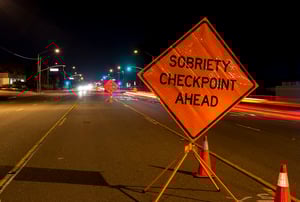 At Simon Law Group, LLC, we’ve handled many instances of “under-21s” who’ve gone out with friends to have a good time, and end up getting arrested because they’ve had a drink or two. This is actually more common than you might think. Luckily, we’re extremely accomplished at addressing these matters in court, and consulting us gives you or your underage child the best possible chance to ensure the safety of his or her future.