How to Protect a Child with Special Needs Through Estate Planning
For most families, estate planning is about making sure everything is in order for the future. But when you have a child or loved one with special needs, the planning process takes on an added level of importance. It’s not just about passing down assets—it’s about making sure your loved one is supported, protected, and cared for long after you’re gone.
One of the biggest concerns families face is preserving eligibility for government benefits. Programs like Supplemental Security Income (SSI) and Medicaid can be critical, but they come with strict financial limits. If a child or dependent with special needs receives money directly—whether through an inheritance, settlement, or even a well-meaning gift—it can unintentionally disrupt those benefits.
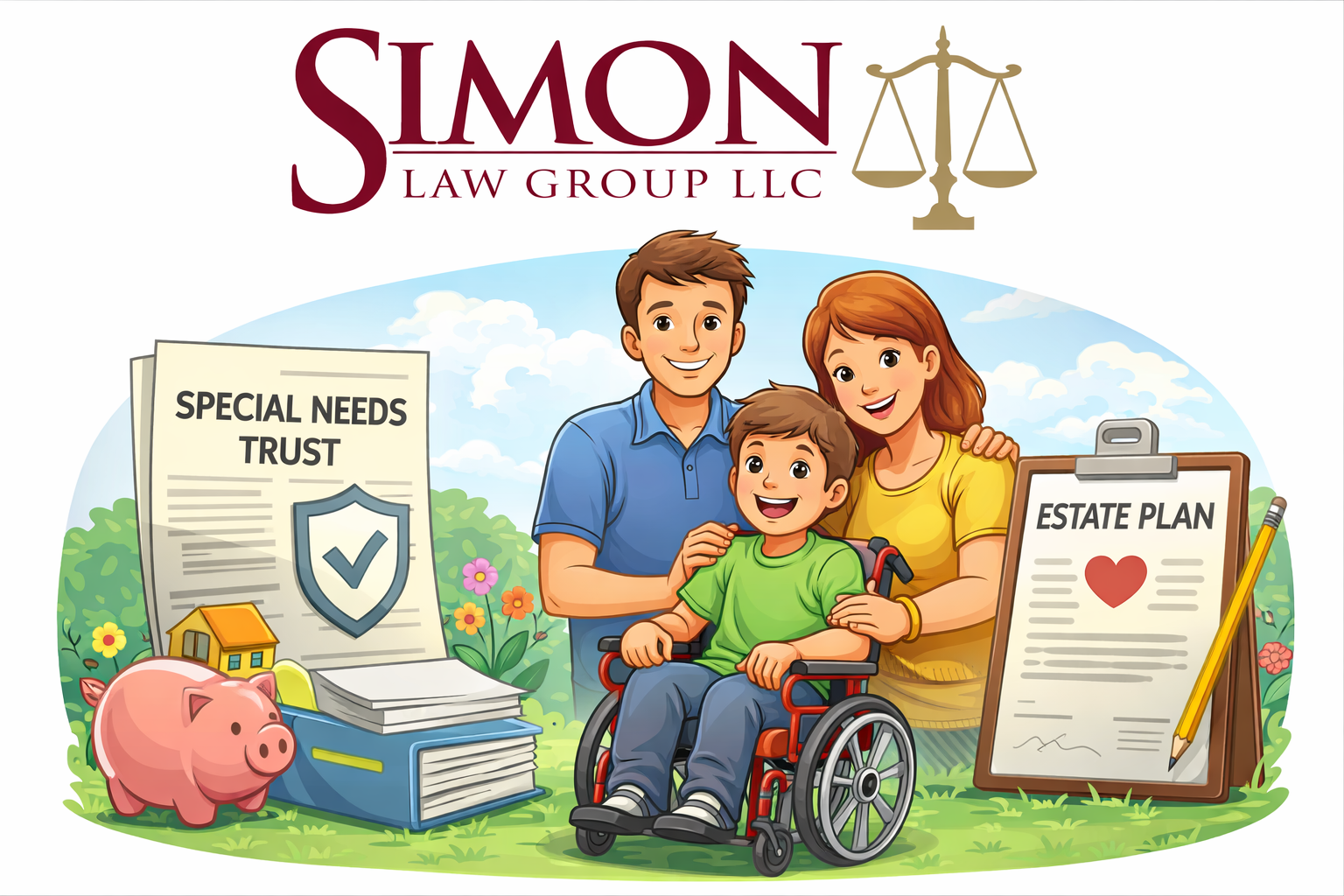
That’s where a Special Needs Trust can make a real difference. Instead of leaving assets outright, families can place those funds into a trust that is specifically designed to benefit the individual without affecting their eligibility. The trust can then be used to pay for things that improve quality of life—such as therapies, education, transportation, or personal care—without replacing the support provided by government programs.
There are different types of Special Needs Trusts, and the right approach depends on your family’s situation. Many parents choose to create a third-party trust as part of their estate plan, which allows them to set aside funds now or through their will for future use. The key is making sure the trust is properly structured so it works the way it’s intended.
Beyond the financial side, it’s also important to think about who will step in to help manage things. Choosing a trustee is a significant decision, as that person will be responsible for handling the funds and making decisions in your loved one’s best interest. In some cases, families may also need to consider guardianship or other arrangements to ensure that medical and personal decisions are handled appropriately.
Another piece that often gets overlooked is how all of your accounts and assets are titled. Retirement accounts, life insurance policies, and other beneficiary designations should be reviewed carefully. If those assets are directed to your loved one outright instead of to a trust, it can create the very issues you’re trying to avoid.
At Simon Law Group, we work with families to put thoughtful plans in place that reflect both their financial goals and their personal concerns. We understand that this kind of planning is about more than documents—it’s about peace of mind.
If you have a loved one with special needs and haven’t yet created an estate plan, or if your current plan needs to be updated, we’re here to help you take the next step with confidence.
Call today for your free consultation 800-709-1131 or text us at 908-864-4450 or fill out our online form.